A tyre pressure reading disappears from your monitor. Does the sensor need replacing, or could a new battery solve the problem?
A missing reading alone does not establish that a sensor is faulty. Checking the tyre, battery and sensor setup first can help you identify what needs attention before ordering parts.
Start by separating a tyre pressure problem from a monitoring problem. If an alert indicates pressure loss, stop safely and check the tyre. If a reading is missing, check the tyre pressure manually before investigating the equipment.
Check the battery before replacing the sensor
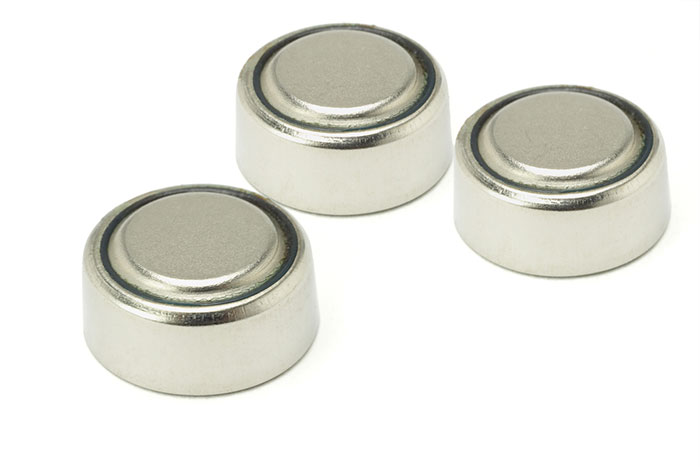
Battery life and sensor life are different. A sensor with a replaceable battery may continue working after a battery change, provided the sensor itself is undamaged.
Check your model before buying batteries, particularly if you have had the system for several years. Different sensors can use different batteries, even within the same brand.
Follow the instructions for opening and resealing your sensor. If a seal is worn or damaged, replacing the battery alone will not resolve that problem.
What to check when a reading disappears
After checking the tyre pressure with a gauge, check the sensor battery and whether the sensor is assigned to the correct position on the monitor. Use the procedure for your model rather than a generic reset sequence.
If the problem continues, note whether it affects one tyre or several and whether anything recently changed. A tyre change, replacement sensor or different towing configuration may help explain why the readings have changed.
Safety Dave’s website has user guides and instructions and TPMS installation and programming videos. You can find both pages under the About menu. Use these resources for the setup and troubleshooting guidance relevant to your system.
When does a TPMS sensor need replacing?
Replacement may be necessary if a sensor is lost, physically damaged or confirmed faulty after troubleshooting. Age alone does not establish that a sensor has failed.
Air leaking around a fitted sensor also needs attention. Possible causes include a worn or incorrectly seated seal, a sensor fault or a valve fault. Do not assume a persistent leak will be fixed by fitting a new battery.
A sensor cap and a complete sensor are different parts. Check what you need before ordering: Safety Dave’s spare ST3000 sensor cap, for example, does not include the sensor.
You can browse and order compatible sensors, seals and other parts through the TPMS accessories range on the Safety Dave website. If you are replacing an entire setup, see the current tyre pressure monitoring systems.
Caring for sensors on a caravan or trailer
Include the sensors when inspecting your tyres before travel. Check for visible damage, loose fittings or contact between a sensor and the wheel. Make sure readings correspond to the correct tyre positions after any wheel or sensor changes.
If you are adding sensors, check compatibility and system capacity first. A sensor that screws onto the valve is not automatically able to communicate with your monitor.
Before ordering replacement parts, identify your monitor and sensor model. The website’s product information, guides and videos can help you check compatibility and follow the correct fitting procedure.
TPMS battery and replacement FAQs
How long do TPMS sensor batteries last?
Safety Dave ST3000 sensor batteries can last up to two years, depending on use and operating conditions. Battery life varies between TPMS models, so check the guidance for your system. A flat replaceable battery does not necessarily mean the sensor itself needs replacing.
When should TPMS sensors be replaced?
Replace a sensor if it is lost, damaged or confirmed faulty. If its battery is replaceable, check the battery and follow the troubleshooting instructions before assuming the whole sensor needs replacing.
Can the battery in a TPMS sensor be replaced?
It depends on the design. Safety Dave’s standard ST3000 external sensors have replaceable batteries. Many internal sensors have sealed batteries, requiring replacement of the sensor when the battery runs out.
What are the common signs of a faulty TPMS sensor?
Missing or intermittent readings, visible damage or a persistent leak at the sensor connection need investigation. These symptoms can also have other causes, including a battery, seal, valve or pairing problem.
How do I know if my TPMS sensor needs replacing?
Check the tyre pressure manually, inspect the sensor and follow the battery and pairing checks for your model. Refer to Safety Dave’s online user guides, instructions and videos before deciding which part needs replacing.
Can replacement TPMS sensors be added to an existing TPMS system?
Yes, provided they are compatible with the monitor. Safety Dave TPMS can monitor up to 22 tyres with compatible sensors. Check your model’s capacity and follow its pairing instructions. Replacement and additional sensors can be ordered through the website’s TPMS accessories range.
What is a pass-through TPMS sensor?
It is an external sensor that allows you to inflate or deflate the tyre without removing it. Check compatibility and fitting requirements before replacing a standard sensor with a pass-through version.
How far can a TPMS booster extend the signal?
Safety Dave TPMS sensors work at a range of up to 200 metres when used with the booster. Follow the setup guidance for your system, including instructions for positioning and powering the booster.
Can the battery in a Safety Dave TPMS monitor be replaced?
Safety Dave sells a replacement battery specifically for the ST3000 monitor. Check your monitor model before ordering through the online TPMS accessories shop.
What battery does a Safety Dave TPMS sensor use?
The standard Safety Dave ST3000 sensor uses a CR2032 3-volt lithium battery. Older TPMS 2000 sensors use a CR1632, according to Safe-T-Tyre’s support information. Check your model before buying a replacement.
How do I maintain TPMS sensors on a caravan or trailer?
Inspect them for damage and secure fitting, check seals when servicing them and replace batteries as required. Follow the instructions for your model and confirm tyre positions on the monitor after changing wheels or sensors.